

Heirloom seed
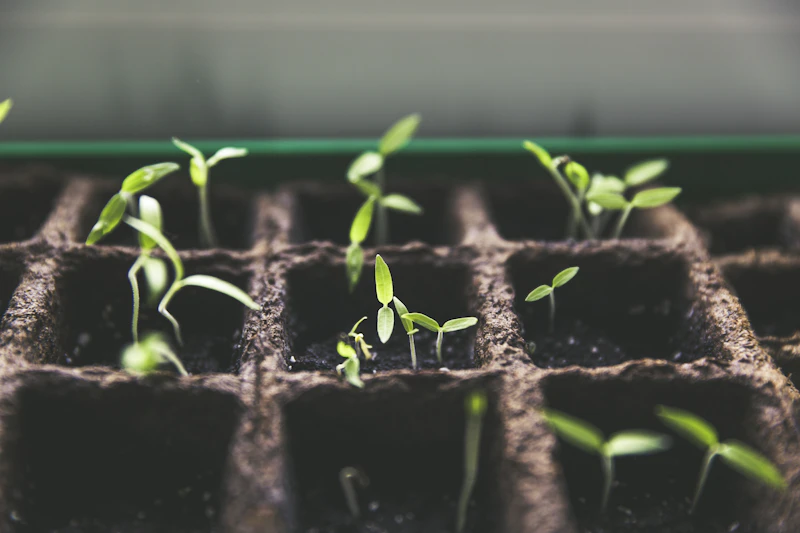
We save and replant seed from rare, regionally adapted dye and fibre plants each season. Each packet carries the memory of a place, a harvest, and the growers who kept it alive.
Heritage Gardening & Eco-Textile Craft
Woad Crestzone cultivates rare beneficial plants using traditional organic methods, then transforms them into natural fabric dyes for lasting, sustainable textiles.
Our Practice
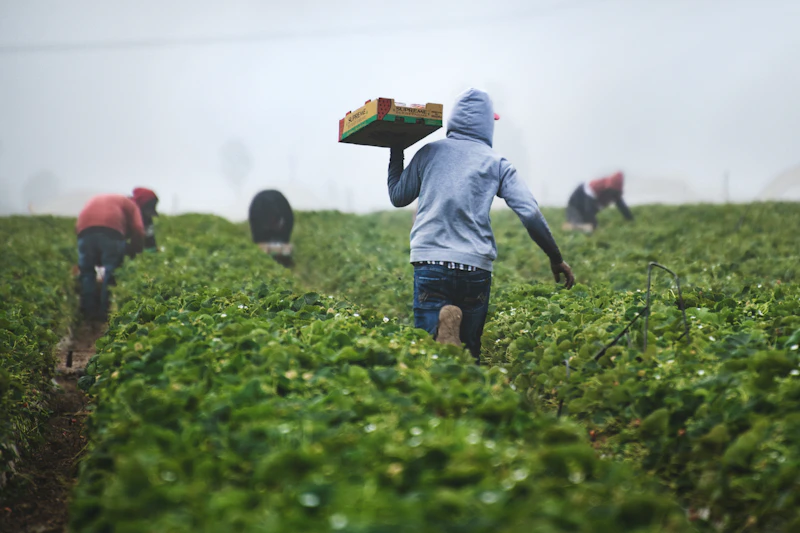
We tend beds of madder, indigo, weld, and walnut using organic, low-intervention methods passed down through generations of growers — then extract their colour to dye natural fibres by hand.
What Guides Us
Every batch we grow and dye follows the same set of commitments, from seed to finished cloth.
We save and replant seed from rare, regionally adapted dye and fibre plants each season. Each packet carries the memory of a place, a harvest, and the growers who kept it alive.

No synthetic fertiliser or pesticide ever touches our beds — only compost, rotation, and time. The result is living soil that can support colour, insects, birds, and future seasons.

Colour is drawn from leaf, root, and bark using water, heat, and patience — no synthetic solvents. We record each recipe so a rich season can be repeated without erasing its natural variation.

Fibres are dyed in small batches, giving each length of cloth its own depth and variation. A careful rhythm of dipping, oxidising, rinsing, and drying lets the plant remain visible in the final textile.
Capabilities
Our practice keeps cultivation, extraction, and making in conversation. The same hands can follow a plant from its first leaves to the colour it leaves on cloth.
Propagation and stewardship of rare beneficial and dye-bearing plant varieties. We map their needs across the year, protecting seed stock while leaving room for each variety to adapt.
Composting, cover cropping, and rotation to build living, chemical-free soil. Our beds are planned as a connected system, so spent stems become compost and resting ground can recover.
Small-batch pigment extraction from leaves, roots, bark, and hulls. We choose the gentlest method for each plant, balancing colour strength with the life of the material and the water it touches.
Hand-dyeing of cotton, linen, and wool using plant-based dye baths and mordants. We work slowly enough to notice how every fibre takes colour, then finish each batch for honest, everyday use.
Showcase
A look at the gardens, dye vats, and finished cloth from our recent growing seasons.
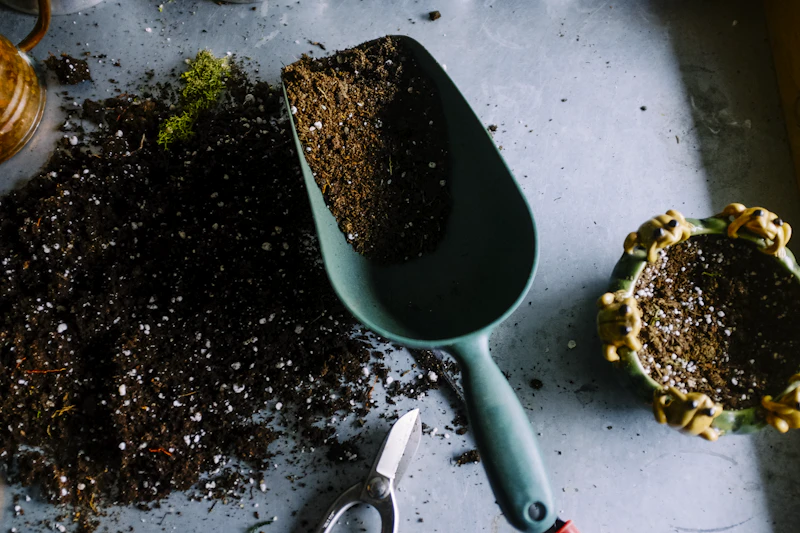
Madder, weld, and indigo beds ready for harvest.

A living fermentation vat, tended daily by hand.

Wool and linen after their second dye bath.
How It Works
There is no shortcut from seed to colour. Each stage gives the next one better information, creating a traceable rhythm of growing, gathering, testing, and making.
Heirloom dye plants are sown in spring and tended without synthetic inputs.
Leaves, roots, and bark are gathered at their peak pigment concentration.
Plant matter is simmered, fermented, or steeped to release natural dye.
Natural fabrics are mordanted and dyed in small, closely watched batches.
The Collection
A small selection of what we grow, extract, and hand-dye each season.
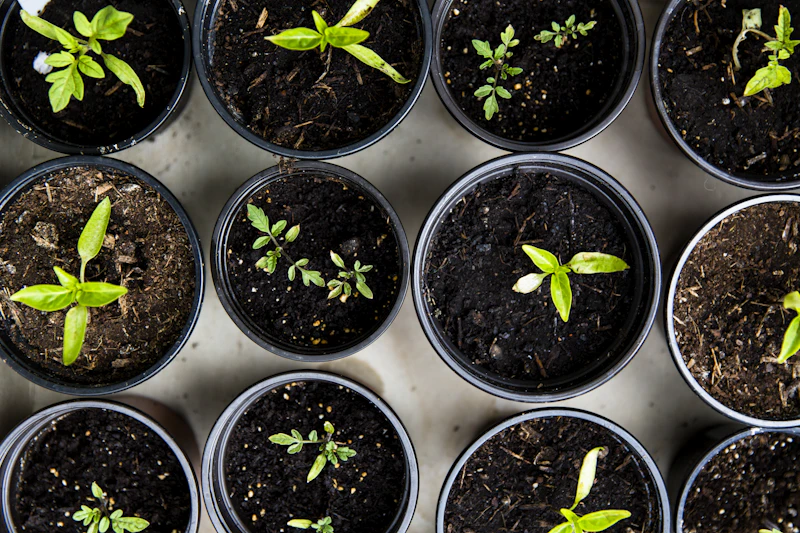
Open-pollinated Japanese indigo, saved from our own dye garden. Sow it in a sunny bed, harvest the leaves through summer, and learn how a small patch can become a living blue vat.
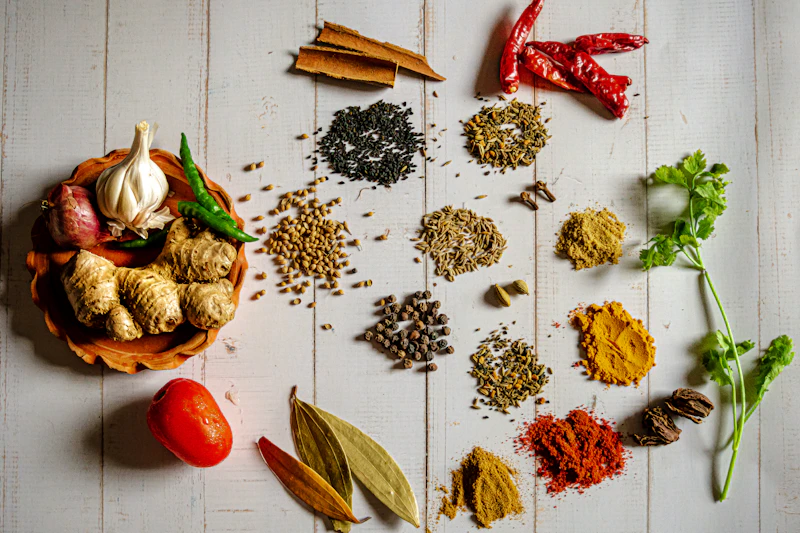
Slow-dried root, ground for a warm, earthy red dye bath. The extract gives wool, linen, and cotton a layered madder red that deepens with repeated dips and patient rinsing.
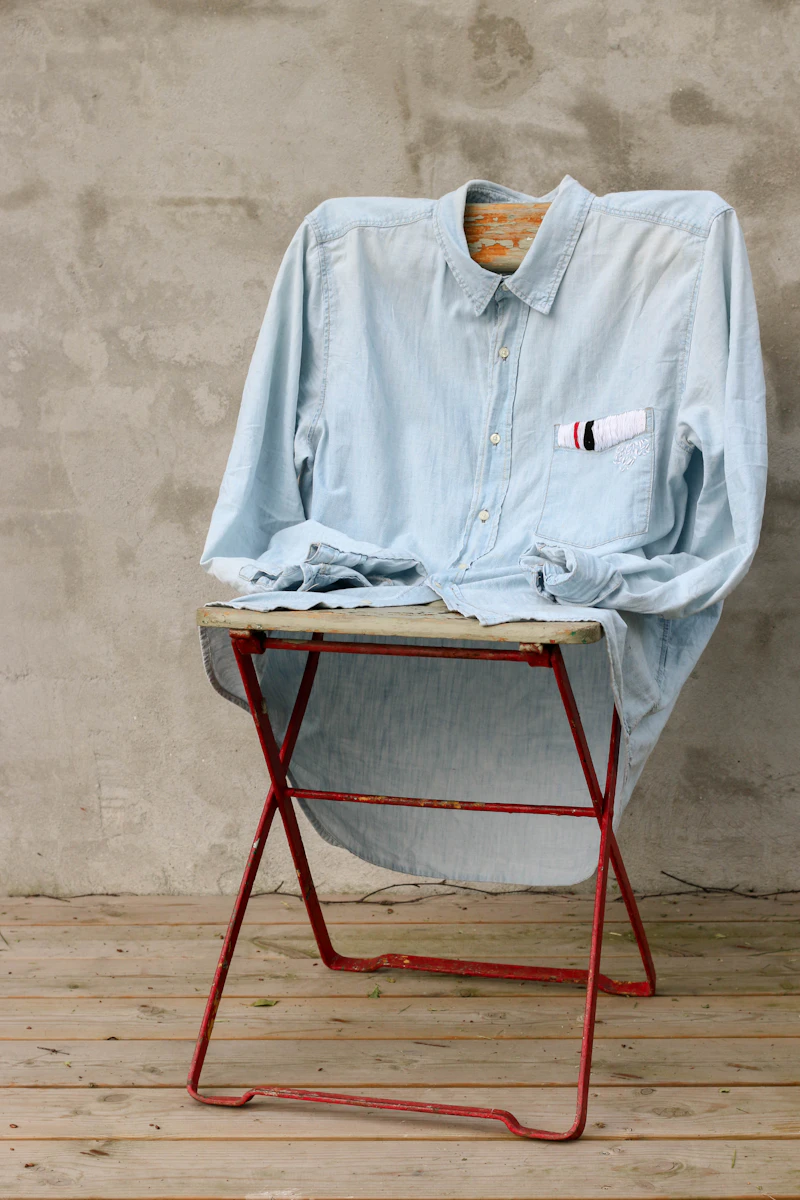
Organic linen dyed in three passes through our fermentation vat. Its uneven blue surface holds the quiet marks of handwork, making it ready for a table, garment, or small home project.
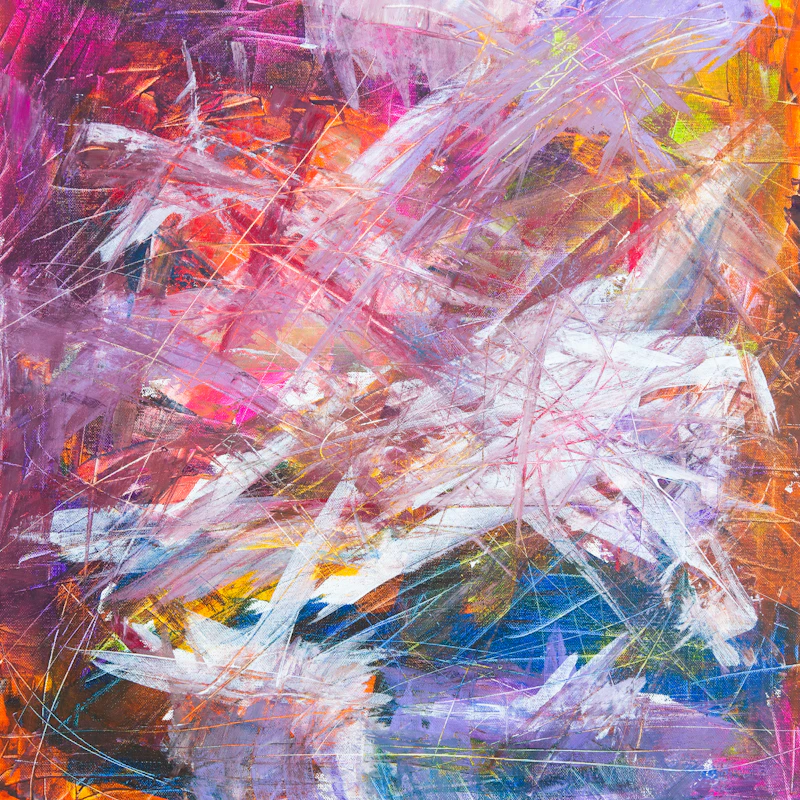
Three plant dyes, mordant, and a guide for first-time home dyeing. It is a measured, approachable way to begin with low quantities, clear recipes, and enough material to compare three distinct plant colours.
Why It Matters
Plant-dyed, organically grown textiles carry no synthetic residue — from the soil they grew in to the cloth on your table. Our choices are designed to honour the full life of a material, not just the moment it is sold.

Grown without synthetic chemicals, protecting soil life and nearby waterways.
Dye baths are plant-based and fully biodegradable, with no persistent runoff.

Every length of cloth is dyed and finished by hand in small, traceable batches.

Rare heirloom varieties are kept in cultivation season after season.

Case Study
When a Kyoto weaving studio wanted a gentler dye process, we helped them replace synthetic lots with traceable plant colour.
"We replaced three synthetic dye lots with Woad Crestzone's madder and indigo, and our workshop's wastewater is now clean enough to return to the garden."
Kobayashi Textile Workshop, Kyoto
A measured practice
Our numbers describe a working scale: enough continuity to learn from each season, and enough care to keep every batch accountable.
Voices
"The depth of colour from hand-extracted madder is something a synthetic dye simply cannot match. Our students notice the difference before we explain it: the cloth feels quieter, warmer, and more alive."
Aiko Matsuda, weaver
"Woad Crestzone's seed exchange helped us bring three heirloom dye plants back into our own garden. The notes that came with each seed made the first season feel like a conversation rather than a test."
Ren Fujimori, grower
Questions
Natural dyeing rewards curiosity, but it can also raise practical questions. Here are a few useful details before you visit, order, or begin your own first vat.

Yes. Our dye baths use only plant matter and natural mordants, with no synthetic fixatives or heavy metal salts.
We welcome visitors by appointment. Please contact us to arrange a garden and workshop tour.
We currently ship within Japan, with limited international orders available on enquiry.
Collaborators
Good colour is collaborative. We share seed, recipes, and honest observations with people who are rebuilding a slower textile culture in their own places.


Workshops
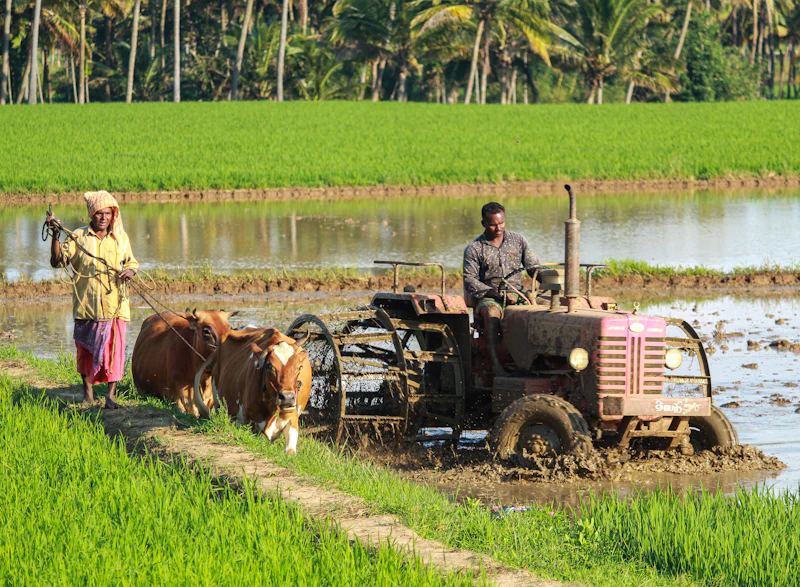
Seasonal workshops on organic dye cultivation and hand-dyeing techniques.
¥1,500
Walk through the seasonal beds with a grower and see how rare beneficial plants fit into a working garden.
¥8,000
Spend a full day moving from plant material to finished cloth, with a small group and a recipe you can repeat at home.
¥24,000
Build a practical dye garden plan across three seasons, from choosing varieties to saving the seed that follows.
Field Notes
Field notes from the work behind the finished cloth: what we notice, what we are testing, and what a plant teaches us when we give it time.


Contact